Adina Serviced Apartments Singapore Orchard: A Slower Way to Stay in the Heart of Singapore
The city outside is busy. Your apartment doesn’t have to be. Adina Serviced Apartments Singapore...
I’ve checked into a great many hotels over the years. The large ones blur together in memory: the same keycard sleeve, the same pillow menu, the same view of another tower. The boutique hotels stay with me. I remember the creak of a timber staircase, the hand-painted tiles underfoot, and the night manager who drew me a map of his favorite noodle stall.
But memorable isn’t the same as worth it. Boutique hotels often cost as much as a familiar chain, and sometimes more. So this guide explains what a boutique hotel really is, where the money goes, and how to tell genuine character from a fashionable label.
The simplest answer to “what is a boutique hotel” is a small, stylish property with an individual character. Many are independent rather than part of a large group. That definition is a fine starting point, but it doesn’t take you very far.
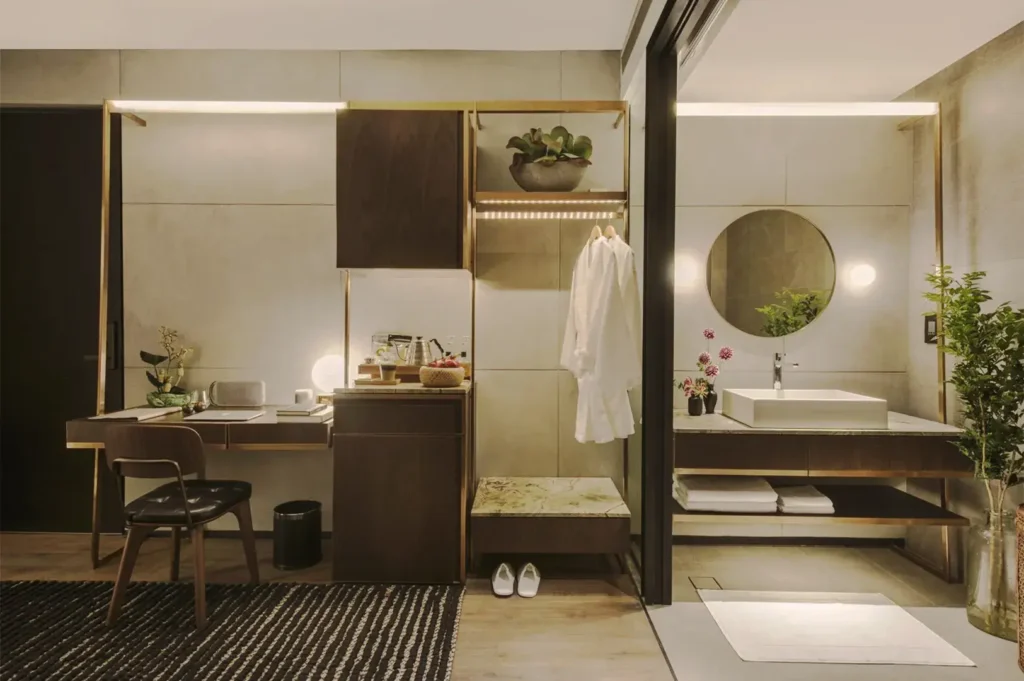
Most boutique hotels are smaller than their chain neighbors, but small alone doesn’t qualify. I’ve stayed in thirty-room hotels with beige carpets and framed stock photography. They were compact, but there was nothing boutique about them.
The better test is identity. A boutique hotel should feel like it could only exist in one place, with a particular theme and a design meant to create a unique atmosphere. Ask yourself whether it has a point of view, whether it tells a story, and whether you would recognize it from a single photograph because of its unique design and architecture, rather than the generic look of unique spaces.
The word describes character, not price, and boutique hotels can still be unique spaces even when they are not luxury stays. There are luxury boutique hotels with butler service and private courtyards. There are also budget friendly boutique hotels where the rooms are tiny but the design is so thoughtful, sometimes built around a particular theme, that you don’t mind.
Many boutique hotels are owner-run, but plenty sit within larger hotel collections. A big parent company doesn’t automatically cancel out character. What matters is whether the individual property feels individual.
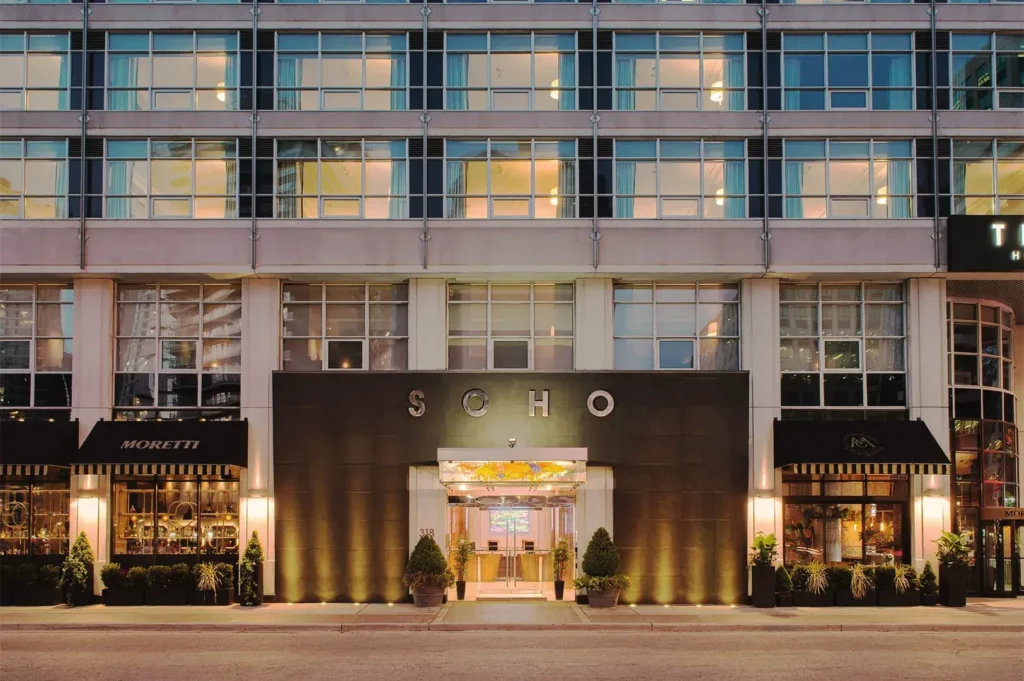
I don’t believe one is better than the other. They are built for different promises.
Chain hotels promise consistency. You know what the bed will feel like, where the gym will be, and how breakfast will work. That reliability is valuable, especially when you’re tired, traveling for business, or visiting somewhere for the first time.
Boutique hotels promise distinction. You may not know exactly what the room will look like. You might not get a pool. But you’re more likely to leave with a story.
Here is how the two usually compare:
Boutique Hotels | Chain Hotels | |
|---|---|---|
Scale | Smaller, more intimate atmosphere | Larger, often hundreds of rooms |
Design | Individual, often tied to the building | Standardized across properties |
Service | Personalized service is possible | Efficient, systemized service |
Facilities | Often limited | Usually extensive |
Location | Often inside a neighborhood | Often in business hubs or near transport |
Predictability | Lower | High |
Neither column wins outright. The right choice depends on what you need from a stay.
This is the heart of it. When a boutique hotel costs the same as a branded tower with three restaurants and a rooftop pool, you aren’t paying for more. Boutique hotels offer curated experiences and thoughtful details rather than more facilities, while large chains can feel impersonal. That means hotels offer more than a simple stay, and hotels provide a different kind of value.
This is the most valuable thing a boutique hotel can offer, especially for guests seeking a strong local connection, and the hardest to fake. A good one connects you to local culture before you’ve even stepped outside. The building, the art on the walls and the breakfast menu should all tell you something about where you are, with the design shaped by the hotel’s location and its surroundings so the property reflects the personality of its place. Many guests choose boutique hotels for authentic experiences that connect them with local culture, history and architecture, often through insights shared by locals.
With fewer guests, staff can actually learn who you are, which can noticeably improve the guest experience. At one small hotel, the young woman at reception noticed I had come back each afternoon with a different pastry box. By my third day, she had written me a list of bakeries I hadn’t yet tried.
That said, small doesn’t guarantee personal. I’ve had cold service in tiny hotels and warm service in enormous ones. Personalized service is a possibility at a boutique property, not a promise, because it depends on hospitality as much as size.
Boutique hotels rarely compete on the number of facilities. Unique amenities can also include a locally inspired dining experience, with food and menus that create a stronger sense of place. They compete on the kind. You might find a tiny plunge pool in a garden courtyard, a library of neighborhood guidebooks or a rooftop bar with a view over terracotta roofs instead of glass towers.
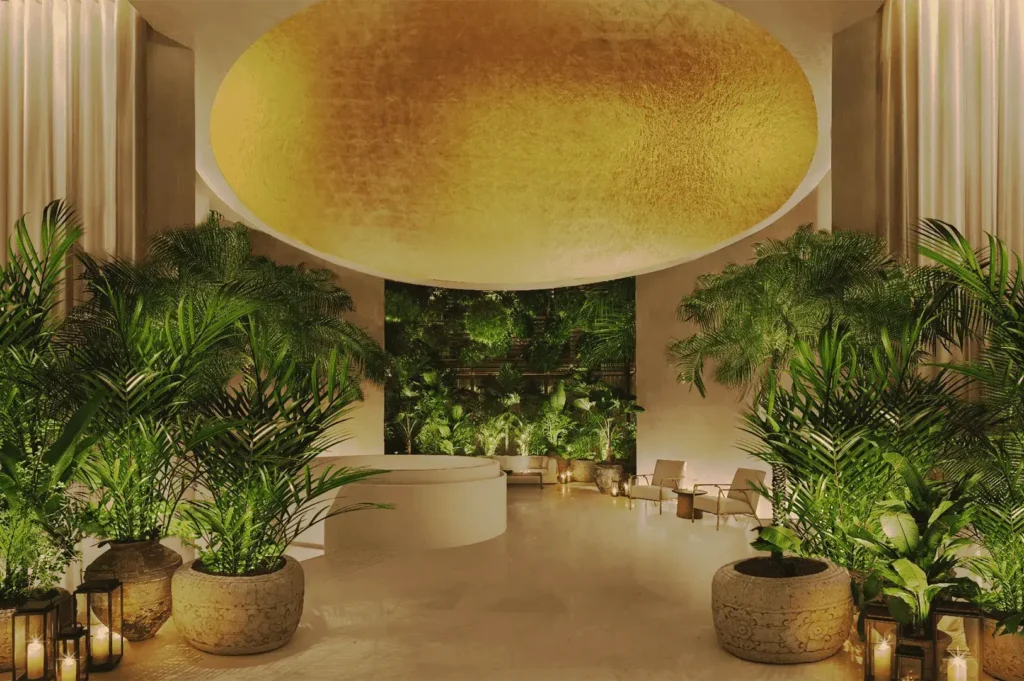
Few cities are as well suited to boutique hotels as Singapore. The reason is the shophouse.
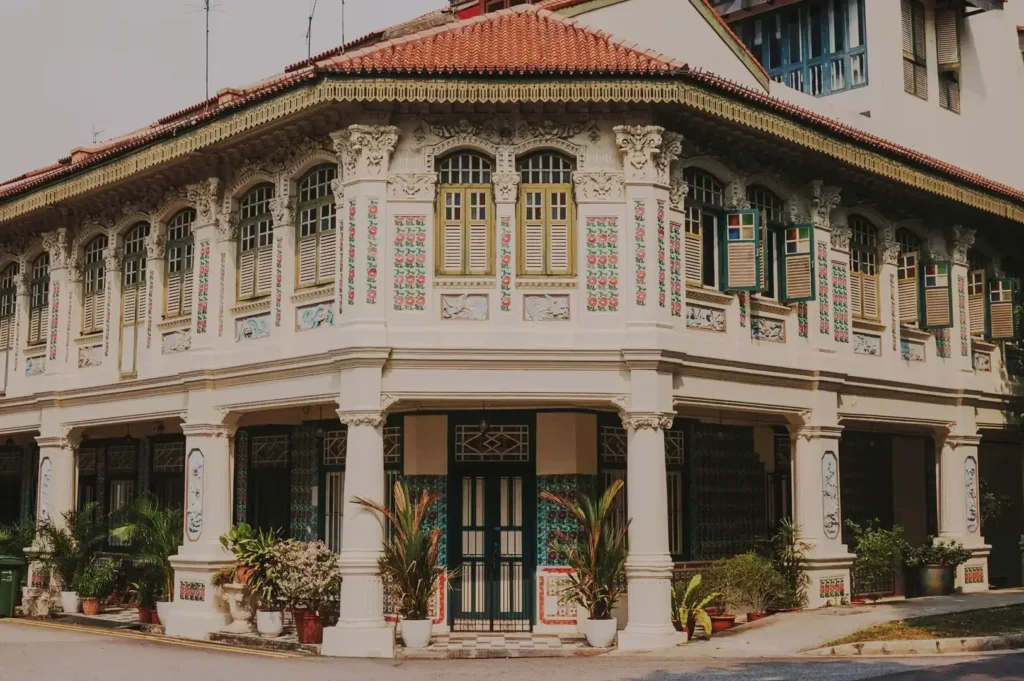
These narrow, two- or three-story buildings once held businesses downstairs and family homes upstairs. Many are now protected, which means their facades must be preserved. Developers can’t knock them down and build towers, so they reinvent them instead. What remains is a remarkable stock of small, characterful buildings located in walkable neighborhoods. Some sit near Marina Bay, while others are set in heritage districts that feel worlds apart.
Singapore also offers striking contrast. You can be in the central business district at lunch and a Peranakan terrace street by dinner, or cross town to explore attractions, restaurants, and shops with easy access from the right neighborhood. Boutique hotels let you sleep inside that contrast rather than observe it from forty floors up.
If you’re still deciding where to base yourself on a first trip, this guide covers where to start, with options for those weighing a central hotel against something smaller.
I love boutique hotels, but loving something means seeing it clearly. Here is what the brochures tend to leave out.
Heritage buildings weren’t designed for hotels. Rooms can be narrow, oddly shaped or windowless. One shophouse room I stayed in had a beautiful bathroom and a bed that touched three walls.
You may not get a gym, an award winning spa, a large pool or more than one restaurant. If you like to swim laps before breakfast, check carefully.
Two rooms in the same boutique hotel can feel completely different, unlike many luxury hotels where layouts and finishes are more standardized. That’s charming when you get the good one, and frustrating when you don’t.
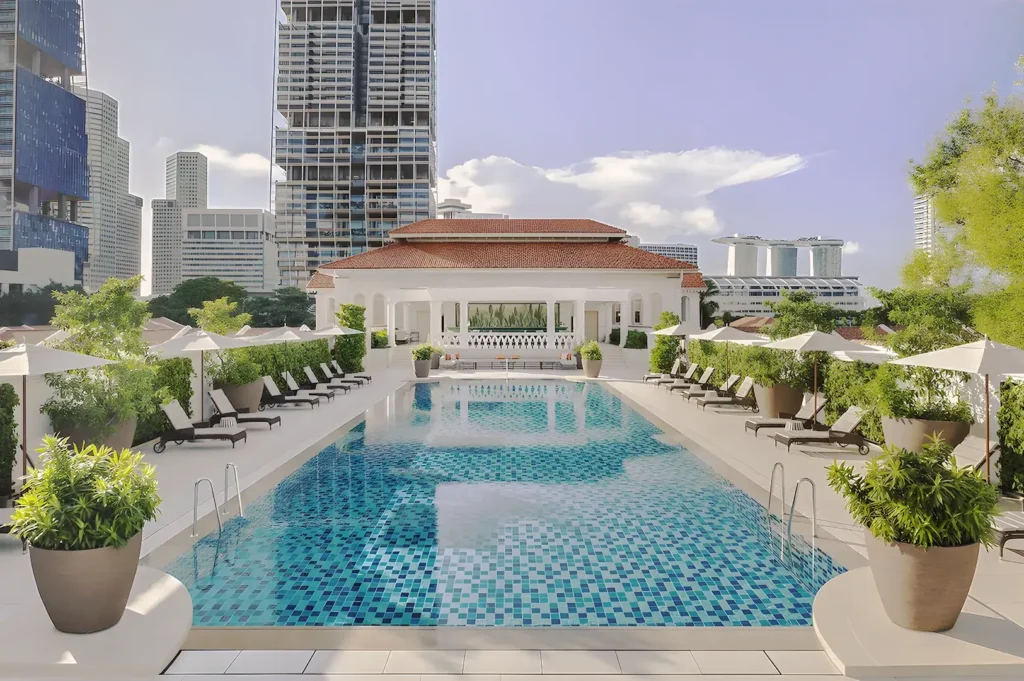
Plenty of hotels borrow the boutique label. Fewer earn it. Before I book, I look past the lobby photos and watch for these red flags:
“Boutique” as a marketing adjective only. If the description is all mood words and no specifics, be cautious.
No room size listed. A hotel proud of its rooms will tell you how big they are.
Heritage building with no lift information. If they don’t mention lifts or stairs, ask directly, and the best historic properties should also show how original architectural elements work with modern comforts.
Rooms described as “cozy” with no window details. Interior rooms without proper windows can feel airless.
A beautiful lobby and vague room photos. The public spaces are designed for photographs. The room is where you’ll actually live.
Lively nightlife nearby but no mention of noise. Ask which rooms face away from the street.
Luxury pricing with basic amenities. Character justifies a premium, but not an unlimited one.
The good ones tend to share a few qualities. The design relates to the building, including historic architecture when that’s part of the property, so the stay feels like more than just a place to sleep. The neighborhood is part of the experience. The practical details, from good lighting to decent water pressure, make the beauty livable.
Prices in Singapore move a great deal with season and demand, so treat these as rough guides:
Budget friendly boutique hotels: around S$100–180 a night
Mid-range boutique: around S$180–300 a night
Upscale boutique: around S$300–500+ a night
Luxury boutique hotels: S$500 and above
The real question isn’t whether a boutique hotel is cheaper. It’s what you’re receiving instead of scale. You give up the giant pool and the endless breakfast buffet. In return, you gain architecture, atmosphere, location and, at the best properties, genuinely personal care, and that premium can be worth it when the stay feels like more than just a place to sleep.
When the fit is right, boutique hotels can turn a trip into a more memorable stay.
The couple. You don’t need a huge gym. You want a beautiful room, a good restaurant nearby and a street worth wandering at night. A boutique hotel is likely a strong fit.
The first-time visitor. You want an MRT station close by, easy sightseeing and reliable facilities. Honestly, a larger hotel might serve you better.
The design lover. You choose hotels because you want to remember where you stayed. Boutique hotels were made for you, though some travelers now also look for eco-friendly boutique hotels that focus on sustainability and environmental consciousness.
The family. Small rooms, stairs and limited pools can make boutique stays harder work. A larger hotel may offer better value, even if it’s less distinctive.
The global boutique hotel market was worth $25.04 billion in 2023 and is expected to grow 7.1% annually until 2030, partly because sustainability is increasingly important to travelers and more properties are adopting greener practices.
That last question matters most.
My favorite boutique stays all shared a rhythm. I would wake up, walk downstairs and step straight into the neighborhood. I’d find coffee, then a market, then a temple I hadn’t planned to visit, with locals often pointing me toward places no guidebook would have mentioned.
There was no commute and no taxi queue. I wasn’t traveling to a neighborhood. I was already inside it, and that can turn a simple stopover into a truly memorable stay.
That’s the quiet gift of a good boutique hotel. It removes the distance between where you sleep and what you came to see. In a city like Singapore, where so many culturally rich areas are compact and walkable, that changes the whole shape of a trip.
It reminds me of the appeal of traditional stays that teach you to slow down, like the Japanese ryokan. The place itself sets the pace, and the pace is gentler than you expected.
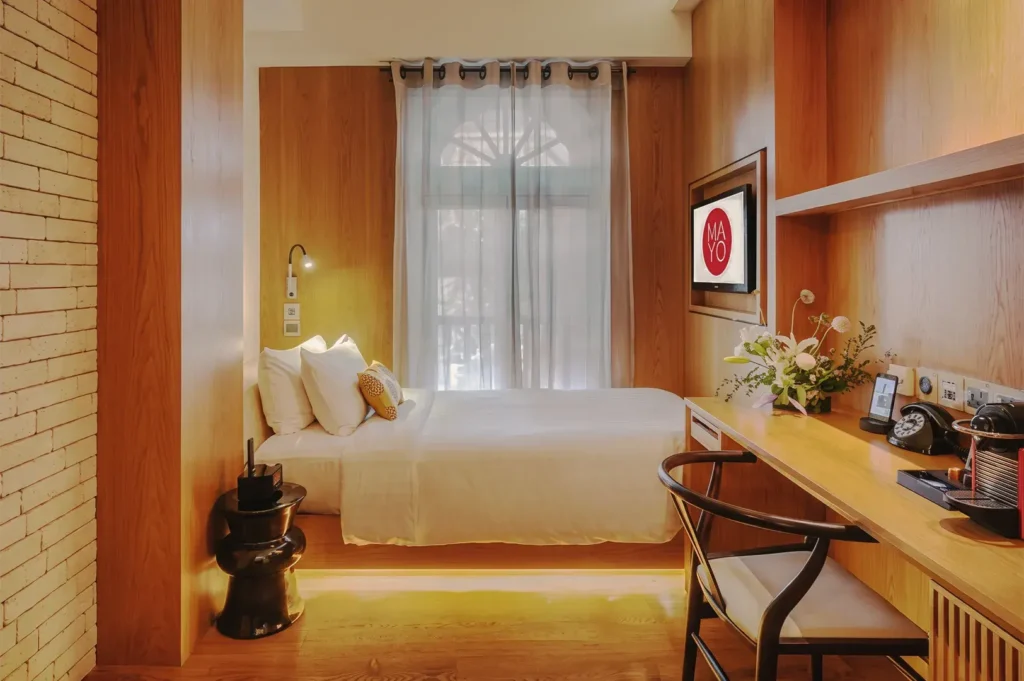
Boutique hotels look different because, at their best, they are different. They’re shaped by old buildings, rooted in real neighborhoods and run at a scale where people can still notice you.
But the label alone guarantees nothing. Some boutique hotels are extraordinary. Others are ordinary hotels with good lighting and a clever name.
Here is what I’d keep in mind:
Boutique describes character, not size or price.
The biggest value is a sense of place, not a prettier room.
Expect trade-offs in space, facilities, noise and accessibility.
Look past the lobby, and ask for room sizes and lift details.
Match the hotel to the trip you want, not the one that photographs best.
Next time you’re choosing where to stay, pick the neighborhood first, then look for the hotel that feels like it belongs there. A good boutique hotel doesn’t just give you a different-looking room. It gives you a stronger sense of where you are, and that is worth paying for.