On October 14, I Cancelled My Plans in Singapore. I’m Glad I Did.
There was a reservation on my phone for 7:30 p.m. A restaurant I had been...
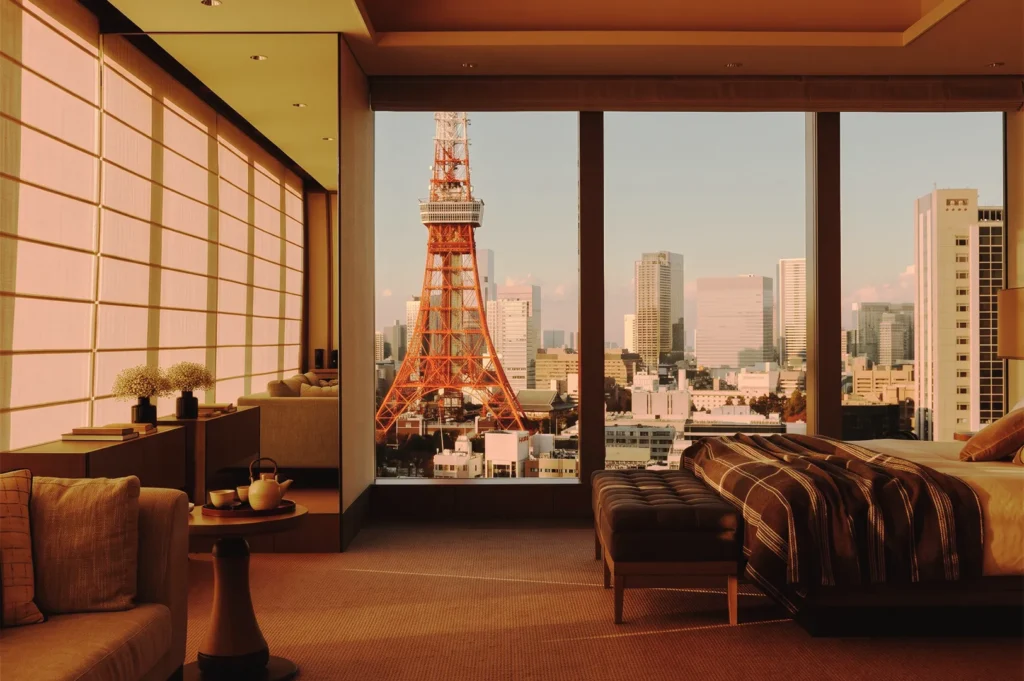
I booked the room because of the photographs.
That sounds like a terrible reason to choose a hotel.
But there was something about this particular room that kept pulling me back to the booking page.
It was small.
Almost deliberately so.
There was a low bed, a wooden table, a chair and a single window.
No enormous bathroom.
No dramatic skyline.
No rooftop pool floating above Tokyo.
Just a beautifully considered room.
I booked it anyway.
Then I arrived and realised something strange.
The room had almost no view.
And I loved it.
My first morning began at 6:17.
I know because I couldn’t sleep.
Tokyo was already awake.
Somewhere beyond the curtains, trains were moving. Doors were opening. People were beginning another ordinary day.
I pulled the curtains back.
There was no postcard moment.
Instead, I saw rooftops, cables, windows and another building sitting surprisingly close.
For some reason, I stayed there.
I watched.
A person appeared on a balcony.
Someone opened a shop.
A train slipped between buildings.
Nothing remarkable happened.
And yet I couldn’t look away.
That was the first time I realised the room had given me something a larger hotel might not have.
A reason to notice the city instead of simply photographing it.
Before arriving in Tokyo, I thought luxury meant having more.
More space.
More facilities.
More spectacular views.
More everything.
The room challenged that idea.
Its luxury was restraint.
Nothing felt unnecessary.
The materials were warm.
The lighting was soft.
There was enough space to move comfortably, but not enough to make the room feel excessive.
It reminded me of the way Tokyo itself can feel.
There is extraordinary density everywhere, yet somehow people create tiny pockets of calm.
Japanese architecture has long explored this relationship between limited space and thoughtful living. Tokyo’s architectural history includes radically different approaches to compact urban life, including the Metabolist movement, which imagined cities as adaptable, living systems. The Museum of Modern Art’s educational material on Metabolist architecture explains this fascinating approach to urban design.
Learn more about Metabolist architecture
The room became part of my itinerary.
That was never supposed to happen.
I would leave after breakfast and spend hours wandering through Tokyo.
Then, instead of pushing myself through another attraction, I’d return.
Sometimes at three.
Sometimes at four.
I’d take off my shoes.
Sit by the window.
Watch the light change.
Then I’d go out again.
It was a completely different rhythm from the one I had planned.
And somehow, it made the city feel bigger.
Not because I was seeing more.
Because I was noticing more.
This is something I had never considered before.
A hotel can change the way you see a destination.
The neighbourhood outside your door becomes your morning.
The route to the train becomes familiar.
The café downstairs becomes part of your routine.
The room becomes the place where the day’s impressions settle.
For travellers moving through Tokyo for the first time, choosing accommodation isn’t only about finding the most convenient address. It is about deciding which version of the city you want to wake up inside.
The same philosophy applies to Singapore, which is why our guide to The Best Hotels in Singapore for First Timers looks at stays through the experience they create, rather than simply treating hotels as places to sleep.
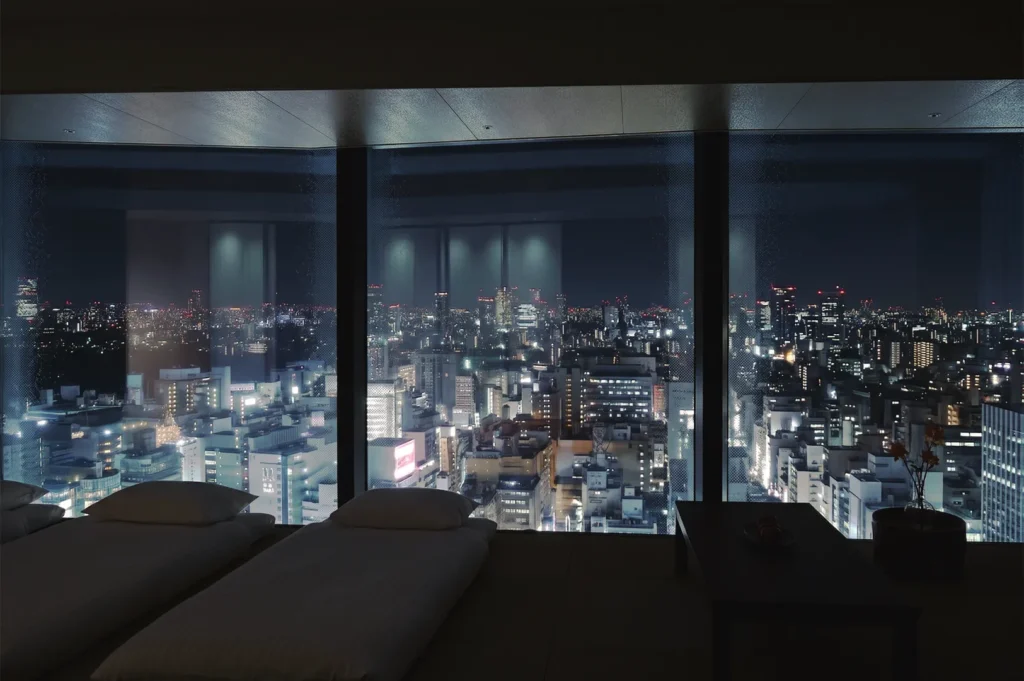
I stood there longer than usual.
Tokyo was glowing.
The buildings outside were still mostly anonymous.
No famous landmark.
No perfect photograph.
But I recognised the rhythm now.
I knew when the street became busy.
I knew where the morning light landed.
I knew what the city sounded like after midnight.
The view hadn’t improved.
My relationship with it had.
Maybe that’s what made the room special.
I had arrived wanting a hotel that would show me Tokyo.
Instead, I found a room that taught me to look for Tokyo myself.
And sometimes, the best hotel room isn’t the one with the best view.
It’s the one that makes you look again.